
-
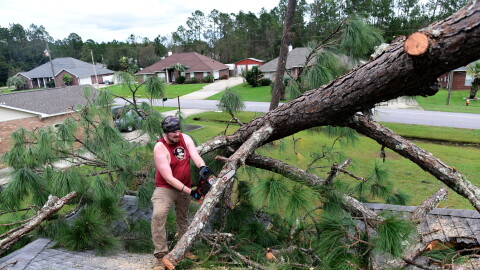 Octavio Jones/FR171777 APFlorida has asked for a major disaster declaration from the White House a week after Hurricane Isaias tore through a swath of the Panhandle and was blamed for six deaths.
 -
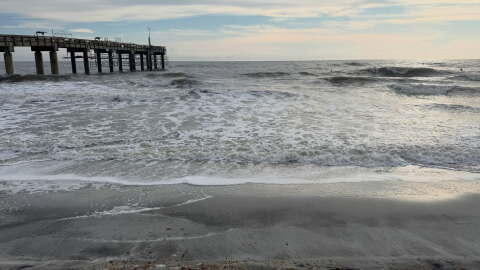 St. Johns County Marine RescueA flow off the Atlantic over the weekend and next week will lead to erosion, rough surf and the potential for flooding along the coast and nearby tributaries.


-
 Local emergency personnel are working to clear smaller local roads and remove debris from residential areas. Meanwhile, Gov. Ron DeSantis confirmed Isaias led to six deaths in the state.
 -
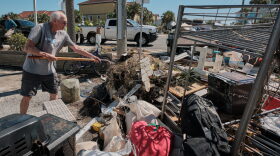 Food, water, business loans — even laundry services — are available in Northwest Florida.
 -
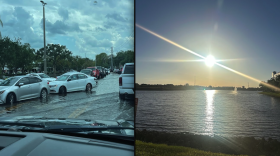 A weak cold front will lower rain chances and also bring slightlly lower humidity values for much of Florida for part of this week.
 -
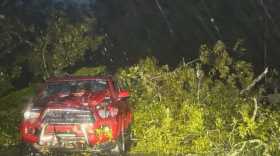 Hurricane Isaias made landfall just outside of Pensacola on Friday. After reaching major hurricane status, the cyclone weakened before landfall.
 -
 Hurricane Isaias is linked to at least four deaths, after the storm made landfall on the Florida coast and ran through Alabama. More than 390,000 people were without power as of Sunday morning.
 -
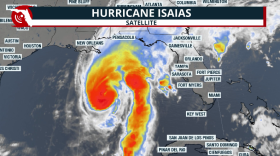 Numerous damaging tornadoes are possible even after the hurricane moves inland and weakens; the heavy rains will continue throughout Saturday morning across the Florida Panhandle. (Version in Spanish here, too)
 -
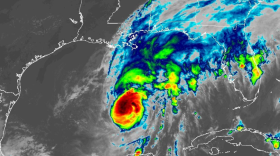 Landfalling tropical systems have a history of producing tornadoes, but the atmospheric ingredients around Hurricane Isaias appear conducive for supercells and tornadoes across northern Florida.
 -
 Hurricane Isaias landed Friday night on the Florida Gulf Coast. The storm was expected to bring life-threatening storm surge, damaging winds, flooding and the possibility of tornados.
 -
 Tropical Storm Isaias is now the first Atlantic hurricane of 2026 — and it's spinning toward the southeastern U.S.
 -
 Isaias strengthened into a Category 3 hurricane on Friday and is expected to make landfall near Pensacola by Saturday morning.


